© 2026 Satyam International School. All Rights Reserved.
Powered by Lead Skale
Welcome to Satyam International School, where we believe that learning should be both fun and engaging. Our nursery school in Satpur embraces the concept of play-based learning, fostering a healthy and interactive environment for our young learners. In this blog post, we will delve into the numerous benefits associated with play-based learning and explain how it positively impacts child development.
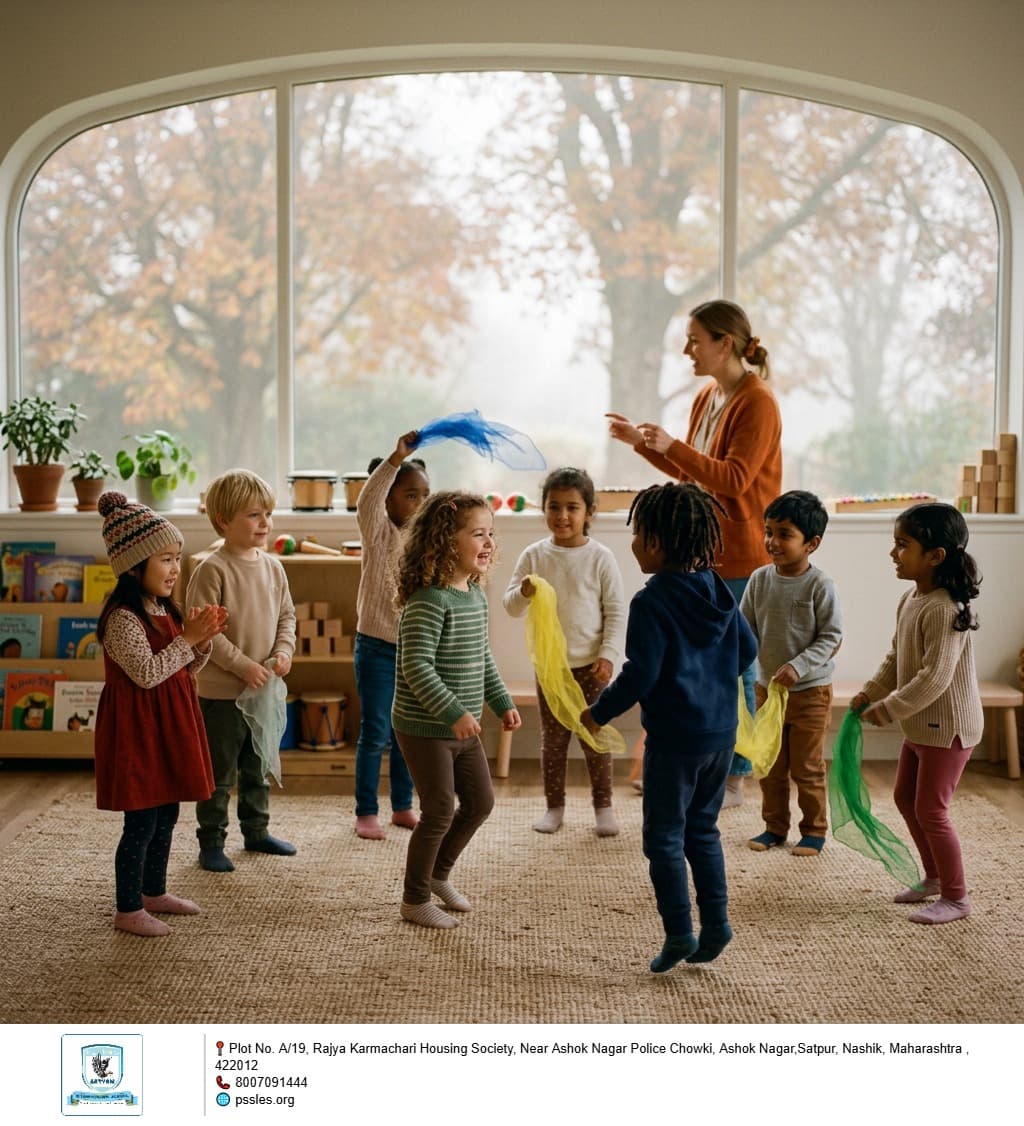
Play-based learning is an educational approach that integrates play into the learning process. It allows children to explore, discover, and experiment in a safe and nurturing environment. Instead of traditional teaching methods, play-based learning motivates children to learn through hands-on experiences, encouraging creativity, critical thinking, and social interaction.
Play-based learning helps children develop essential cognitive skills. Through play, children learn how to solve problems, think critically, and make decisions. Activities such as puzzles, building blocks, and games foster spatial awareness and logical reasoning.
At Satyam International School, we understand the importance of social interaction. Play-based learning encourages children to work together, share, and communicate. These interactions help develop empathy, understanding, and teamwork.
Play allows children to express their feelings and learn self-regulation. Engaging in role-play or structured play helps them navigate emotions and understand the perspectives of others, leading to better emotional intelligence as they grow.
Through creative play, children cultivate their imagination and inventiveness. Whether they are creating art, performing a skit, or building a fort, creative play enhances their ability to think outside the box and approach challenges with innovation.
Physical play is crucial for developing fine and gross motor skills. Activities such as climbing, running, and manipulating toys improve coordination, balance, and overall physical health, laying the foundation for future physical activities.
Our nursery program at Satyam International School is designed with a holistic approach to child development. We implement a structured play-based curriculum that aligns with developmental milestones while keeping the joy of learning at the forefront.
Our team of experienced educators specializes in early childhood development. They create engaging environments and provide activities that are not only educational but also fun, ensuring each child looks forward to coming to school.
We prioritize the safety of our students while providing a stimulating environment that fosters exploration and curiosity. Our facilities are designed to encourage safe play, ensuring children can thrive.
At Satyam International School, we value the role of families and community in children's education. We involve parents through regular communication and activities, creating a supportive network that enhances the learning experience.
We cater to children aged 2.5 to 5 years, providing a nurturing atmosphere for early childhood education.
We observe and document children's interactions and achievements throughout play. Regular assessments ensure each child's unique needs are met.
Yes! We encourage parent involvement through various activities and events, creating a community around our school.
We have strict safety protocols, qualified staff, and a secure environment to ensure the well-being of all our children.
Please visit our service page or call us at 8007091444 for enrollment details.
Book a Test Drive or Explore More of our programs today and give your child the gift of a joyful learning experience!
For more information, get more details!